
AUTO STAKEHOLDER
Making Nigeria an Aqua-Tourism Destination

…How Enhanced Boating Culture Can Position Nigeria as Africa’s Next Global Aqua-Tourism Destination
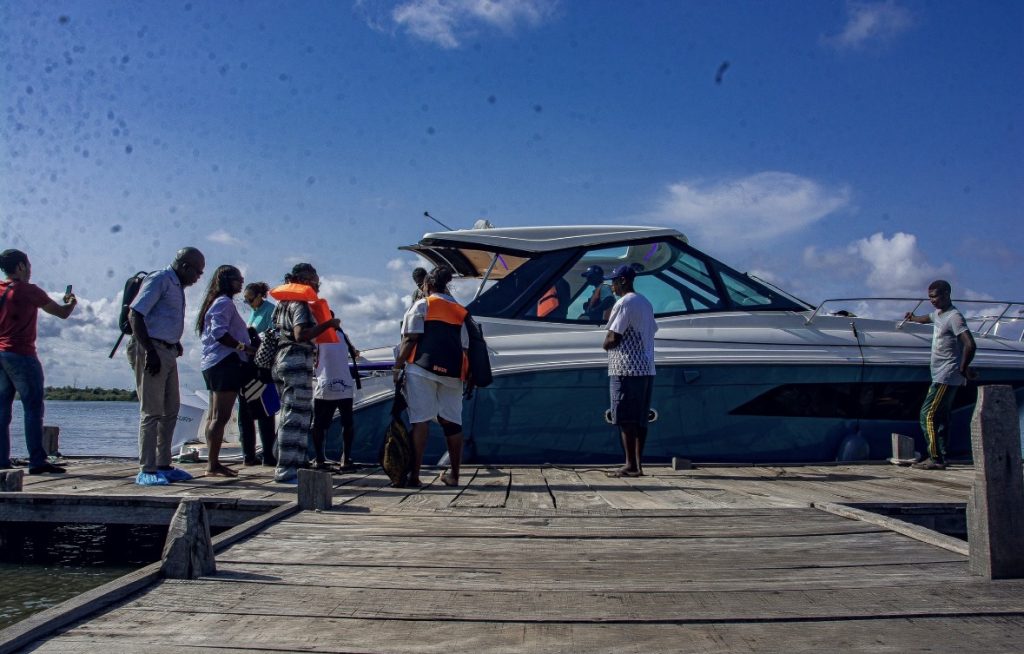
In a recent media tour organized by Bras Marine with the Chairman of the company Prince Yomi Sonuga shared his thoughts on what can help Nigeria become a leading aqua tourism
destination considering the immense potentials the country has in this regard.
He said ‘’For decades, the world’s leading aqua-tourism destinations have transformed their
coastlines, waterways, and maritime cultures into powerful economic engines.
Today, destinations such as Santorini, Seychelles, Maldives, and Cancun attract millions of visitors
annually through a combination of safety-focused marine infrastructure, world-class boating
experiences, strategic tourism development, and a strong culture of maritime recreation.
Nigeria possesses many of the natural ingredients that helped these destinations achieve international prominence. Yet the country’s vast aquatic resources remain significantly underutilized.
With greater investment in safe boating practices, modern navigation systems, marine infrastructure,
and recreational boating culture, Nigeria has the opportunity not only to become Africa’s premier aqua-tourism destination but also to establish a globally recognized maritime
tourism industry capable of competing with the world’s most celebrated coastal regions.
The success of Santorini, Seychelles, Maldives, and Cancun was not accidental. While each location
possesses natural beauty, their rise to international prominence resulted from deliberate, long-term planning.
First, these destinations prioritized marine safety. Governments and private operators established clear navigation routes, enforced boating regulations, invested in rescue services, and developed internationally recognized safety standards.
Visitors gained confidence knowing that water excursions,
yacht charters, ferry operations, and recreational boating activities were professionally managed.
Second, they invested heavily in marine infrastructure. Modern marinas, docking facilities, fuel stations, maintenance centers, navigation aids, and waterfront developments created an
ecosystem capable of supporting both tourism and private boating activities. Reliable infrastructure encouraged investors, attracted international operators, and improved visitor experiences.
Third, they transformed boating from a niche activity into a lifestyle experience. Rather than
simply offering transportation across water, they developed boating excursions, island-hopping adventures, sunset cruises, fishing charters, luxury yacht experiences, water sports, eco-tours, and cultural maritime excursions. The boat itself became part of the attraction.
Finally, these destinations consistently marketed their unique identities.
The Maldives became synonymous with overwater luxury. Seychelles became known for pristine island exploration.
Santorini leveraged its dramatic volcanic landscape and seascapes.
Cancun combined coastal leisure with entertainment and hospitality. Each destination differentiated itself while maintaining exceptional visitor experiences.
Nigeria’s Natural Competitive Advantage Nigeria may possess one of the most diverse aquatic tourism opportunities on the African continent.
The country boasts approximately 850 kilometers of coastline along the Gulf of Guinea, extensive inland waterways, large river systems, lagoons, creeks, estuaries, islands, and some of West Africa’s most vibrant waterfront communities.
The potential stretches far beyond traditional beach tourism.
The Lagos lagoon network alone offers opportunities for recreational boating, waterfront dining cruises, sightseeing excursions, water taxi systems, fishing charters, and luxury leisure boating.
The river systems of the Niger Delta present opportunities for eco-tourism , and cultural immersion experiences unavailable anywhere else in the world.
Destinations such as Tarkwa Bay, Ilashe Beach, Lekki Lagoon, Bonny Island, and the broader Niger Delta region could evolve into internationally recognized boating destinations if supported by coordinated development strategies.
Unlike many established aqua-tourism markets, Nigeria also possesses a significant demographic advantage. With one of the world’s youngest and fastest-growing populations, the country
has a large domestic market capable of supporting marine recreation long before international visitor numbers reach their full potential.
Safety as the Foundation of Growth
No aqua-tourism destination can flourish without confidence in marine safety.
A heightened focus on boating safety would immediately strengthen public trust and expand participation in recreational boating activities. Investments in life-saving equipment, operator
certification programs, emergency response systems, vessel inspections, weather monitoring, and navigation training would significantly improve the overall boating environment.
The introduction of modern navigation technologies—including GPS-assisted navigation, digital marine charts, vessel tracking systems, and improved channel marking—would further enhance operational reliability and reduce risk.
As confidence increases, more families, tourists, investors, and commercial operators become willing to participate in marine leisure activities. Safety is not merely a regulatory requirement; it is an economic catalyst.
Building Comfort and Experience into the Nigerian Boating Industry
Modern tourists increasingly seek memorable experiences rather than simple transportation.
This presents a significant opportunity for Nigeria’s recreational boating industry.
Bras Marine , the authorized dealer of Searay Boats in Nigeria, West & Central Africa sells comfortable boats equipped with modern seating, shaded decks, onboard entertainment, safety systems,and premium amenities which transform ordinary journeys into premium tourism experiences.
Recreational boats can serve as platforms for sightseeing, private celebrations, corporate events,cultural tours, and luxury waterfront experiences.
According to the Chairman of Bras Marine, Prince Yomi Sonuga,’ one of our objectives is to make boating a safe destination activity.
As more Nigerians and international visitors associate boating with comfort, safety, leisure, and adventure, demand for boats and marine services naturally increases.
The country’s greatest competitive advantage lies in the combination of its waterways, cultural diversity, entertainment industry, entrepreneurship, and vibrant social culture.
Imagine boating experiences that integrate local cuisine, live music, cultural storytelling, waterfront festivals, historical tours, and luxury hospitality.
Few destinations can combine maritime recreation with the energy and creativity that characterize modern Nigeria.
The influence of Nigerian music, film, fashion, and culture already extends across Africa and increasingly around the world. Integrating these strengths into marine tourism experiences would
create a distinctive offering that competitors would struggle to replicate.
Rather than marketing only scenery, Nigeria can market experiences’.The Mid- to Long-Term Economic Opportunity u
The long-term implications extend far beyond tourism.
A thriving recreational boating sector stimulates demand for boat sales, marine engines, maintenance services, marina construction, hospitality businesses, waterfront real estate, insurance services, logistics providers, tour operators, and training institutions.
It creates jobs for boat operators, technicians, engineers, tour guides, hospitality professionals, safety
personnel, and maritime educators.
It also encourages broader investment in coastal and inland infrastructure while generating tax revenues and attracting foreign exchange earnings.
Countries that have successfully developed aqua-tourism industries often benefit from significant economic spillover effects across multiple sectors. Nigeria stands to gain similar advantages if strategic investments are made today.
Nigeria possesses the waterways, climate, population, entrepreneurial spirit, and cultural influence
necessary to become a major global aqua-tourism destination.
Prince Yomi Sonuga was speaking to journalists during a media tour of some notable beach resorts in Lagos.In summary, he stated that the pathway to actualizing our growth to
becoming a global aqua tourism destination is clear: prioritize safety, modernize navigation systems, improve marine infrastructure, elevate boat comfort standards, and create uniquely Nigerian boating experiences that celebrate the country’s rich cultural identity.
He is confident that if these efforts are pursued consistently over the coming decade, Nigeria could emerge not merely as Africa’s leading aqua-tourism destination but as one of the world’s most exciting maritime tourism markets.
MIKE OCHONMA
EDITOR
-
 Car News6 years ago
Polestar is recalls over 2000 electric cars due to software bug
-
 AVIATION6 years ago
Photo News: Air Peace commence flight operations to South Africa
-

 Technology6 years ago
Common mistakes in CO₂ emissions calculations
-

 RAIL5 years ago
36 Killed in Pakistan Train Accident
-
AVIATION6 years ago
Why are aircraft pulled by Tow trucks before takeoff
-
 Reviews6 years ago
Ferrari Portofino Specifications and Review
-

 NEWS5 years ago
FG To Spend ₦900 Billion On Fuel Subsidy In 2022
-

 Business6 years ago
2016 Volvo XC60 review and specifications