
NEWS
ICPC, NRC Strengthen Collaboration on Anti-Corruption Drive

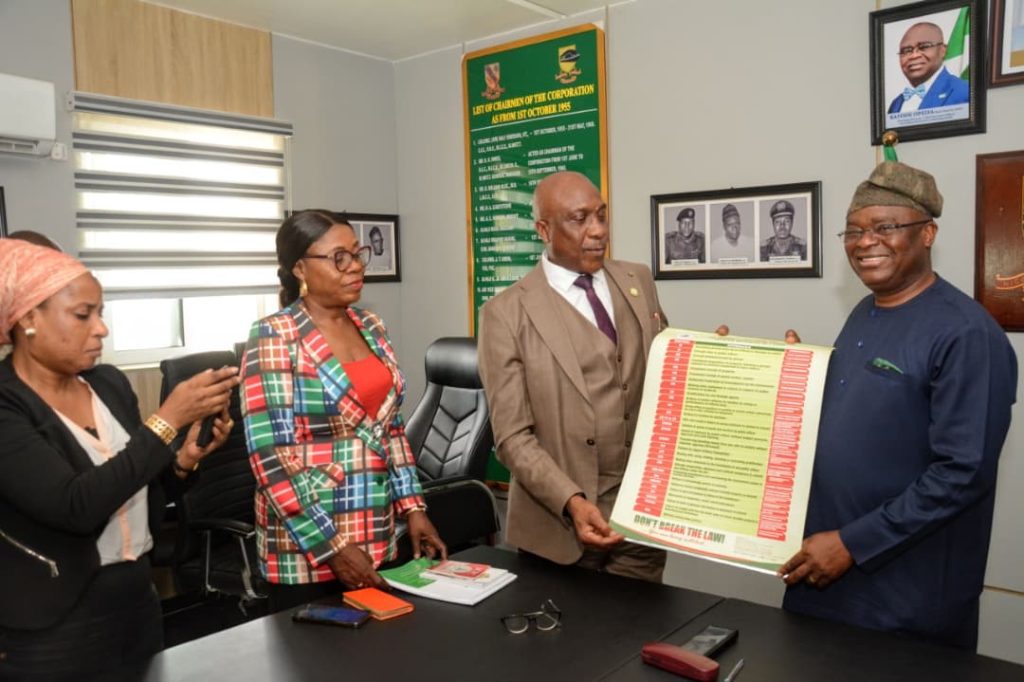
The Independent Corrupt Practices and Other Related Offences Commission (ICPC) has pledged stronger collaboration with the Nigerian Railway Corporation (NRC) as part of efforts to reinforce transparency and accountability in the nation’s railway sector.
The Resident Anti-Corruption Commissioner (RAAC), Lagos Office, Mr. Alexander Chukwumah, gave the assurance during a courtesy visit to the Managing Director of the Nigerian Railway Corporation, Dr. Kayode Opeifa, at the Corporation’s headquarters.
Chukwumah said the ICPC is willing to support the corporation by providing training programmes for its workforce to help them identify and avoid practices that could expose them to corruption-related offences.
According to him, the initiative forms part of the Commission’s public education and enlightenment mandate aimed at encouraging Nigerians and public institutions to uphold integrity and avoid corrupt practices.
He urged the NRC management to work closely with the corporation’s Anti-Corruption and Transparency Unit (ACTU), noting that members of the unit have been trained to detect early warning signs and red flags that could help management prevent minor lapses from escalating into major institutional crises.
Chukwumah explained that the visit was also intended to strengthen the cordial relationship between the ICPC and the Nigerian Railway Corporation, as well as reciprocate the goodwill previously extended by the NRC to the Commission.
“ICPC is committed to ensuring that NRC workers stay out of trouble. There are ways we can guide you and your team to avoid actions that could expose them to corruption risks,” he said.
Responding, the Managing Director of the Nigerian Railway Corporation, Dr. Kayode Opeifa, welcomed the partnership and expressed readiness to work closely with the Commission to deepen transparency within the corporation.
Opeifa noted that the railway sector would have recorded even greater progress if corruption had not historically hindered development in the system.
He therefore requested the ICPC to organize a capacity-building programme for the corporation’s Heads of Departments and senior management staff to help them better understand the pitfalls that could lead to errors of judgment in the course of their duties.
The NRC boss identified vandalism of railway infrastructure as one of the major challenges confronting the corporation, stressing that the destruction of critical railway assets continues to place pressure on operations and service delivery.
As part of efforts to discourage the menace, Opeifa presented anti-vandalism sweatshirts to the ICPC delegation with the inscription: “Rails and railway assets are critical national treasures and not scraps”.
He emphasized that the corporation maintains a strict internal disciplinary regime against collusion or sabotage, noting that any staff found culpable risks immediate dismissal.
Opeifa also commended the dedication of NRC staff, particularly the engineers, whose commitment has ensured that railway services continue to operate despite operational challenges.
Speaking on the corporation’s long-term strategy, he reiterated the NRC’s Vision 2-5-10-20 development framework, which is designed to guide the modernization and expansion of Nigeria’s railway system.
According to him, the first phase of the vision focuses on optimizing legacy railway lines and reactivating abandoned corridors that once played critical roles in the nation’s economic development.
Under this plan, he said the corporation is working towards the reactivation of the Kaduna–Nguru–Kaura Namoda corridor, with efforts underway to restore rail services to Zamfara State within the year.
He added that the corporation is also pursuing a freight-by-rail revolution, strengthening its “Railing with the States” initiative to enable state governments utilize railway infrastructure for economic development while ensuring better connectivity between rail lines and the nation’s seaports.
Opeifa further disclosed that within the next five years, the corporation plans to begin transitioning from diesel-powered locomotives to cleaner energy sources such as gas, as resources permit, while working towards doubling Nigeria’s rail assets by 2035.
MIKE OCHONMA
EDITOR
-

 Car News6 years ago
Polestar is recalls over 2000 electric cars due to software bug
-

 AVIATION6 years ago
Photo News: Air Peace commence flight operations to South Africa
-

 Technology6 years ago
Common mistakes in CO₂ emissions calculations
-
 RAIL5 years ago
36 Killed in Pakistan Train Accident
-

 Reviews6 years ago
Ferrari Portofino Specifications and Review
-
AVIATION6 years ago
Why are aircraft pulled by Tow trucks before takeoff
-

 NEWS5 years ago
FG To Spend ₦900 Billion On Fuel Subsidy In 2022
-

 Business6 years ago
2016 Volvo XC60 review and specifications